
ten ways to discern vocation
Discovering God’s Call for Your Life
God has a plan for your life—unique, purposeful, and full of meaning. But discovering that plan takes more than just wishful thinking. It takes prayer, reflection, conversation, and courage. Discerning your vocation isn’t about figuring everything out at once. It’s about taking small, faithful steps toward the life God is calling you to—whether that’s marriage, priesthood, religious life, or committed single life. This page offers 10 practical and spiritual ways to help you listen for God’s voice, recognize His direction, and grow in the freedom to say “yes” to His call. Whether you’re just starting to ask the question or deep in the discernment journey, these steps can help you move forward with peace, clarity, and trust.
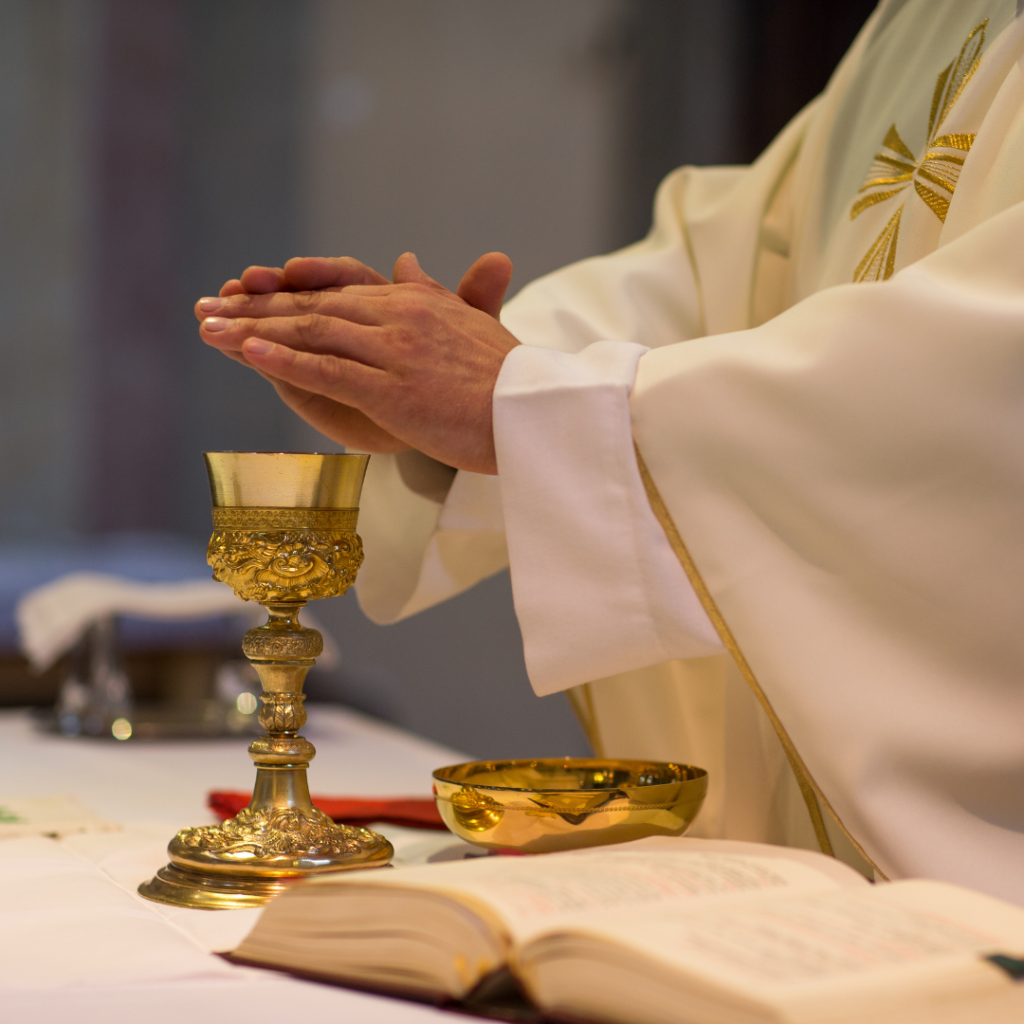
Daily Mass
Discerning your vocation isn’t just about figuring out what you’re supposed to do — it’s about deepening your relationship with the One who is calling you. Daily Mass offers a unique opportunity to encounter Christ in the Eucharist, reflect on Scripture, and receive grace that strengthens your heart and mind for the journey ahead.
By making Mass a regular part of your routine, you create space to listen to God more clearly. The rhythm of daily worship grounds you in prayer, surrounds you with the Church community, and reminds you that vocation flows from intimacy with Christ — not pressure or performance.
Even if you can’t attend every day, committing to more frequent Mass can be a powerful step toward clarity and peace in your discernment.

eucharistic adoration
In a world full of noise and distraction, Eucharistic Adoration offers a sacred space to be still and listen. Sitting in the quiet presence of Jesus in the Blessed Sacrament allows your heart to slow down and become more attuned to His voice.
Discernment isn’t always about getting quick answers — it’s about growing in trust and learning to recognize how God speaks to you. In Adoration, you’re not just thinking about God; you’re with Him. That silent encounter can bring clarity, peace, and the deep assurance that you are loved and known.
Making time for regular Adoration, even just once a week, can help you stay centered in Christ and open to the subtle movements of the Holy Spirit guiding your path.
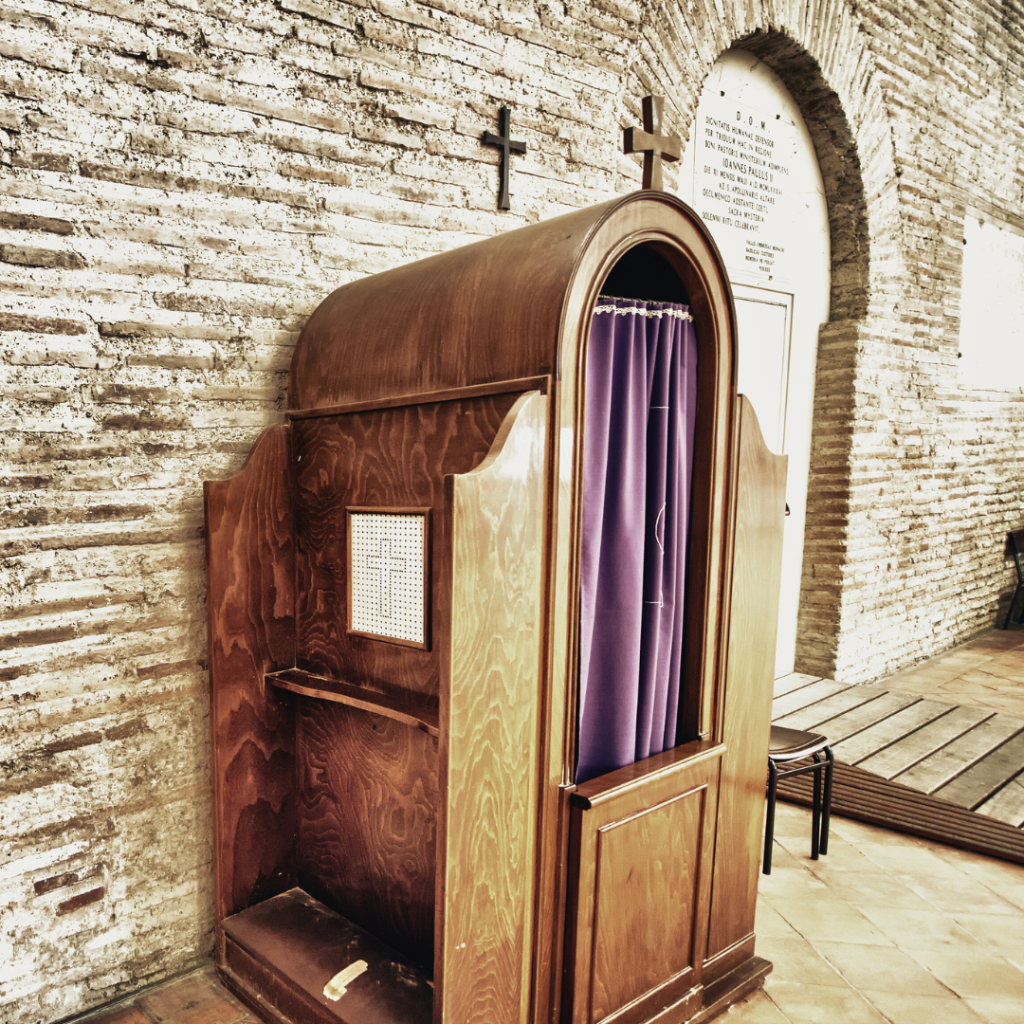
Regular Confession
When discerning your vocation, it’s essential to keep your heart open and your conscience clear — and regular confession helps you do exactly that. The Sacrament of Reconciliation is more than just a way to seek forgiveness; it’s a powerful encounter with God’s mercy that restores your spiritual clarity and strength.
Sin can cloud our ability to hear God’s voice. Regular confession removes those obstacles, helping you grow in self-knowledge, humility, and grace. As you discern, the sacrament offers a consistent reminder that your calling is not about perfection, but about responding to God’s love with honesty and trust.
Aim to go to confession monthly, or more often if needed — not out of fear, but as a way to stay spiritually grounded and open to God’s direction.

Devotion to the Blessed Mother
Devotion to the Blessed Virgin Mary is a powerful aid in discerning your vocation. As the first disciple and the most faithful follower of Christ, Mary shows us what it means to listen to God’s voice and respond with courage, humility, and love. Her “yes” to God changed the world — and she desires to help you say your own “yes” with the same trust and surrender.
Through practices like the Rosary, the Angelus, Marian consecration, or simply speaking to her from the heart, Marian devotion draws you closer to Jesus. Mary doesn’t replace Christ — she leads you directly to Him. In moments of uncertainty or fear, her presence brings peace, clarity, and maternal protection.
If you want to know what God is calling you to, let Mary walk with you. She knows the way.
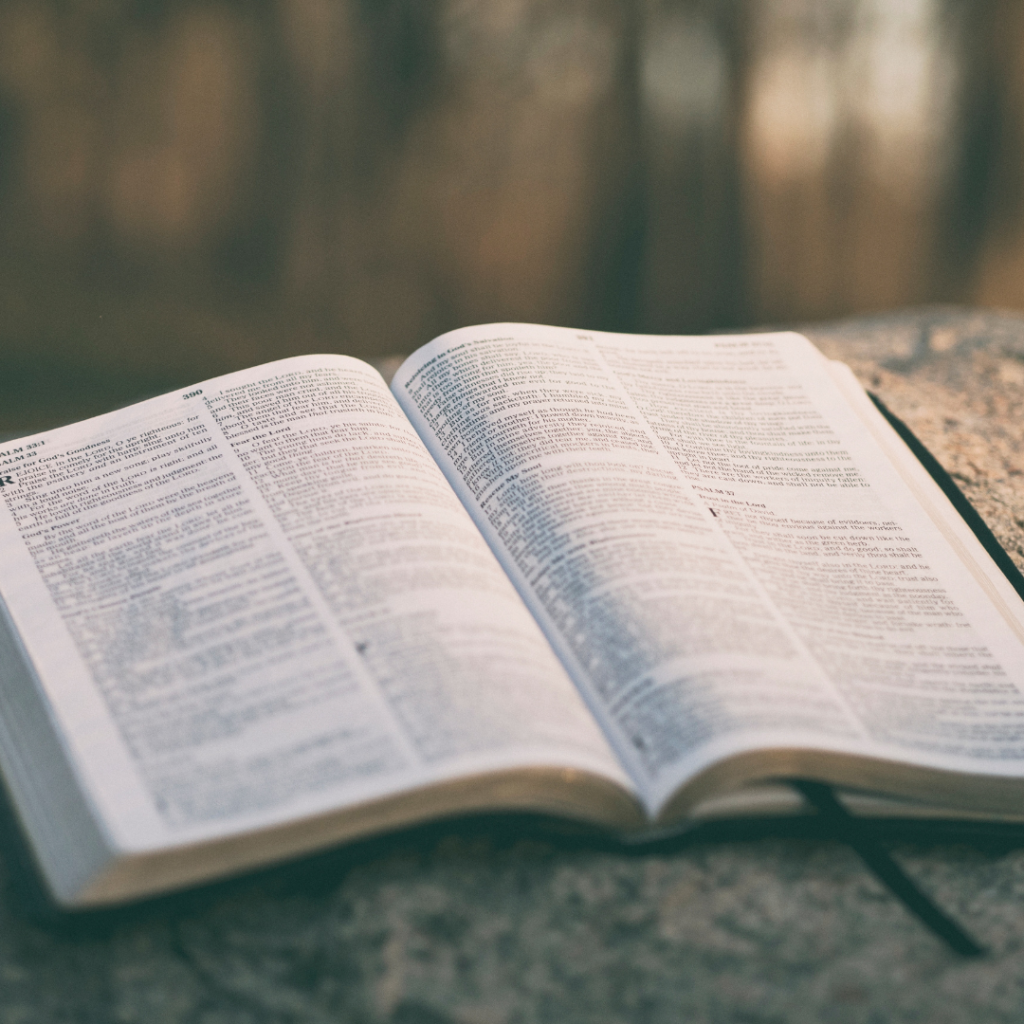
Lectio Divina
Discerning your vocation starts with listening — and there’s no better way to listen than through Lectio Divina, an ancient prayer practice centered on Scripture. Unlike casual reading, Lectio Divina invites you to slow down, meditate, and allow God’s Word to speak directly to your heart.
Through its four steps—reading, meditation, prayer, and contemplation—you engage deeply with Scripture, opening yourself to insights and inspiration that can guide your vocational journey. This sacred rhythm helps you move beyond surface-level understanding and enter into a personal dialogue with God.
By regularly practicing Lectio Divina, you create space for the Holy Spirit to illuminate your path, reveal your gifts, and deepen your trust in God’s plan for your life.

Silence
Embrace Silence: Make Space to Hear God
God often speaks in whispers — and we can’t hear Him if our lives are too loud. In a world filled with constant noise, notifications, and distractions, choosing intentional silence is essential for discernment.
Silence isn’t empty; it’s where space is created for God to speak. Whether it’s spending quiet time in prayer, stepping away from screens, or going on retreat, silence allows your heart to settle and your thoughts to become clearer. It helps you recognize the difference between your own desires, outside pressures, and the gentle voice of the Holy Spirit.
If you’re seeking your vocation, start by turning down the noise. God rarely shouts — He waits for you in the quiet.

Journaling
Discerning your vocation is a journey — and like any journey, it helps to keep a record of where you’ve been and what you’ve experienced along the way. Journaling is a simple but powerful tool that allows you to process your thoughts, reflect on your prayer life, and notice patterns in how God is working in your heart.
Writing regularly helps you recognize what brings peace, what stirs restlessness, and what desires continue to surface over time. It also provides a space to ask questions, name fears, and document moments of clarity or inspiration that might otherwise be forgotten.
Your journal doesn’t have to be perfect — just honest. In time, you may begin to see how God has been gently leading you, even in the small and quiet details.

Service
Vocation isn’t discovered in isolation — it’s revealed through relationship, compassion, and real-life experience. Community service places you face-to-face with the needs of others, giving you the opportunity to live out Christ’s love in concrete ways. It’s often in these moments of self-giving that you begin to sense how God is calling you to serve with your life.
Whether you’re helping at a food pantry, visiting the elderly, mentoring youth, or participating in parish outreach, community service teaches you humility, empathy, and generosity. It helps you see beyond yourself and recognize the dignity and beauty of every person — a key part of discerning how you’re meant to contribute to the Body of Christ.
Through community service, you not only make a difference — you also open your heart to discover the unique way God may be asking you to give yourself to the world.

Spiritual Direction
Discerning your vocation can feel overwhelming at times — but you don’t have to do it alone. Spiritual guidance, offered by a trusted mentor, priest, or experienced discerner, provides invaluable support and clarity along the way.
A spiritual guide listens carefully, asks thoughtful questions, and helps you interpret the movements of your heart and the signs of God’s presence in your life. They can offer wisdom from their own experiences, hold you accountable in prayer, and help you navigate doubts or confusion.
Having someone walk with you on this journey can bring encouragement, perspective, and peace. Spiritual guidance is not about telling you what to do, but helping you discover more clearly what God is asking of you.
If you’re serious about discerning your vocation, make finding a spiritual director a priority — it could change everything.
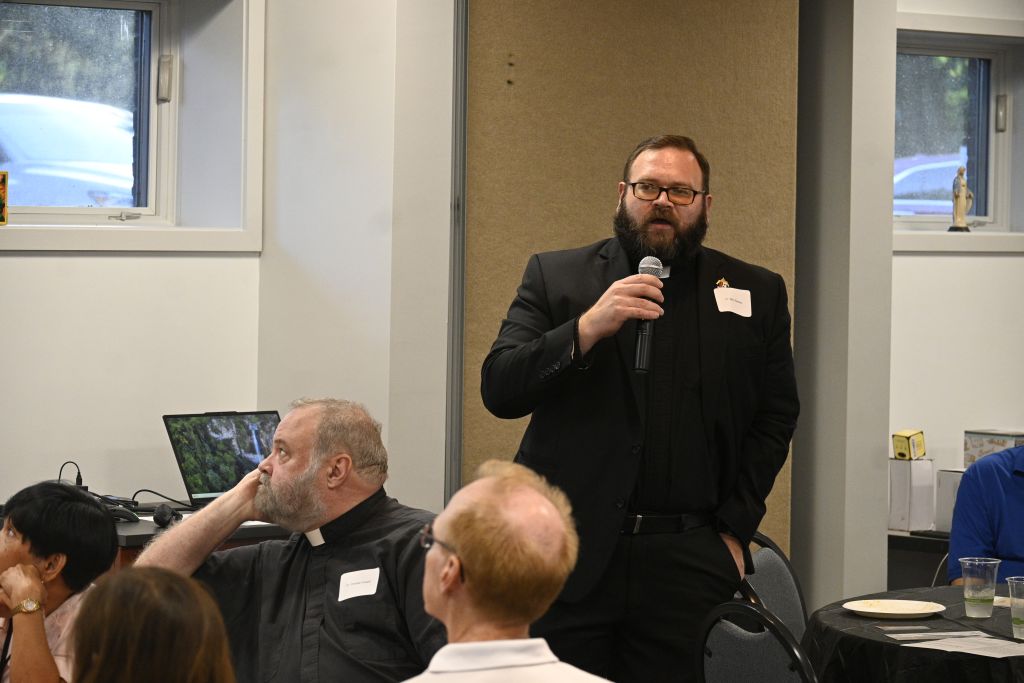
Consult with your Pastor and Vocation Director
Discerning a vocation is never meant to be done alone. God speaks through community, and those who walk ahead of us in the faith often carry the wisdom and experience we need.
Your pastorknows you through the context of your local parish life. He’s seen your faith in action and can offer personal insight into how God might be calling you. A conversation with your pastor can help confirm the gifts and desires you’ve noticed in yourself—or draw attention to areas you may not have considered.
A vocation director is specially trained to accompany people in the discernment process. Whether you’re considering priesthood, religious life, or another form of consecrated service, a vocation director can guide you through practical steps, answer your questions, and connect you with opportunities to explore different paths. They’re not there to pressure you, but to help you listen more clearly to God’s voice.